Why do the colors look off in my video?
When skin looks orange, green or sickly, the cause is almost always white balance, two light sources fighting, an ungraded log file, a heavy filter, or a screen that is lying to you. Here is how to tell which one is yours, and how to fix it.
By Thomas, founder of CutScore · Published · Updated

Here is the thing about colour that nobody tells you. Your eye does not actually care about the wall or the sofa. It cares about skin. We are wired to read faces, so the brain has a very strong opinion about what a human is supposed to look like, and the second a face goes a little orange, green or grey, something feels wrong even before you can name it. That is why "the colours look off" almost always means "the skin tone looks off," whether you noticed that or not.
I have shipped this one too. I once filmed a whole sit-down video under a warm bulb on one side and daylight from a window on the other, and I did not think twice on set. In the edit, one half of my face was the colour of a tangerine and the other half looked like I had been keeping vampire hours. The camera was not broken. The light was just two different colours, and the camera, very faithfully, recorded both.
So the useful question is not "why is my camera bad at colour." It is which one thing pushed this frame away from neutral. There are five common culprits, and most of them are fixable in a minute or two without reshooting. Here they are.
Why your colours look off, ranked by how often it is the culprit.
Run down this table in order. The first match is usually the one doing the most damage, and most of them live in the grade, not the camera.
| Cause | How to spot it | The fix |
|---|---|---|
| Wrong white balance | The whole frame leans one colour: orange and warm, or blue and cold. A white shirt or wall does not read white. | Adjust temperature against something neutral until white reads white. Skin falls into place at the same time. |
| Mixed light sources | One side of the face is warm and the other is cold, because a window and a bulb of different colour are both lighting the shot. | Match your lights on set: gel one, kill one, or change the bulbs so every source is the same colour temperature. |
| Log / flat profile, ungraded | Colour looks muted and grey straight out of camera, with a profile named Log, Flat or Cine in the settings. | Apply the matching colour profile or a basic grade. Flat colour is intended to be processed, not published. |
| Heavy filter or LUT | A teal-and-orange or vintage look is crushing skin into a single unnatural tone across the whole video. | Lower the LUT strength, or build a lighter grade. A filter should season the image, not repaint it. |
| Uncalibrated screen | The video looks right on your editing monitor but wrong on a phone, a TV, or a friend's laptop. | The grade is probably fine. Calibrate your screen, or at least check the export on two or three devices. |
Telling a warm white balance from a green tint by eye is hard, especially on the screen you edited on. CutScore measures the colour cast and skin tone for you and points at the exact frame.
How to fix off colours, one cause at a time.
1. Your white balance is wrong
This is the number one reason colours look off, and it is the easiest to fix. White balance tells the camera what counts as white under the light you are shooting in. Get it wrong and everything tips one way: too warm and the frame goes orange, too cool and it goes blue. The fix is to find something in the shot that should be neutral, a white wall, a grey card, a sheet of paper, and adjust your temperature slider until that thing reads neutral on screen. Skin almost always lands correctly the moment white is actually white. The reliable on-set version is to shoot a grey card at the start of a setup and pull your balance off that, instead of guessing in the edit. Image quality like this sits at the heart of what we analyze, because viewers read colour before they hear a single word.
2. Two light sources are fighting
This is the vampire-and-tangerine problem from earlier, and it is the one that cannot be fully graded away. Daylight is blue, a normal household bulb is orange, and a lot of cheap LEDs throw a faint green. Put two different colours of light on the same face and no single white-balance move can fix both halves at once, because correcting one side wrecks the other. The real fix happens on set: pick one colour temperature and commit to it. Close the curtain and use your lamps, or kill the lamps and use the window, or gel a light so it matches its neighbour. If you have already shot it, you can mask each side and balance them separately, but that is surgery you would rather avoid.
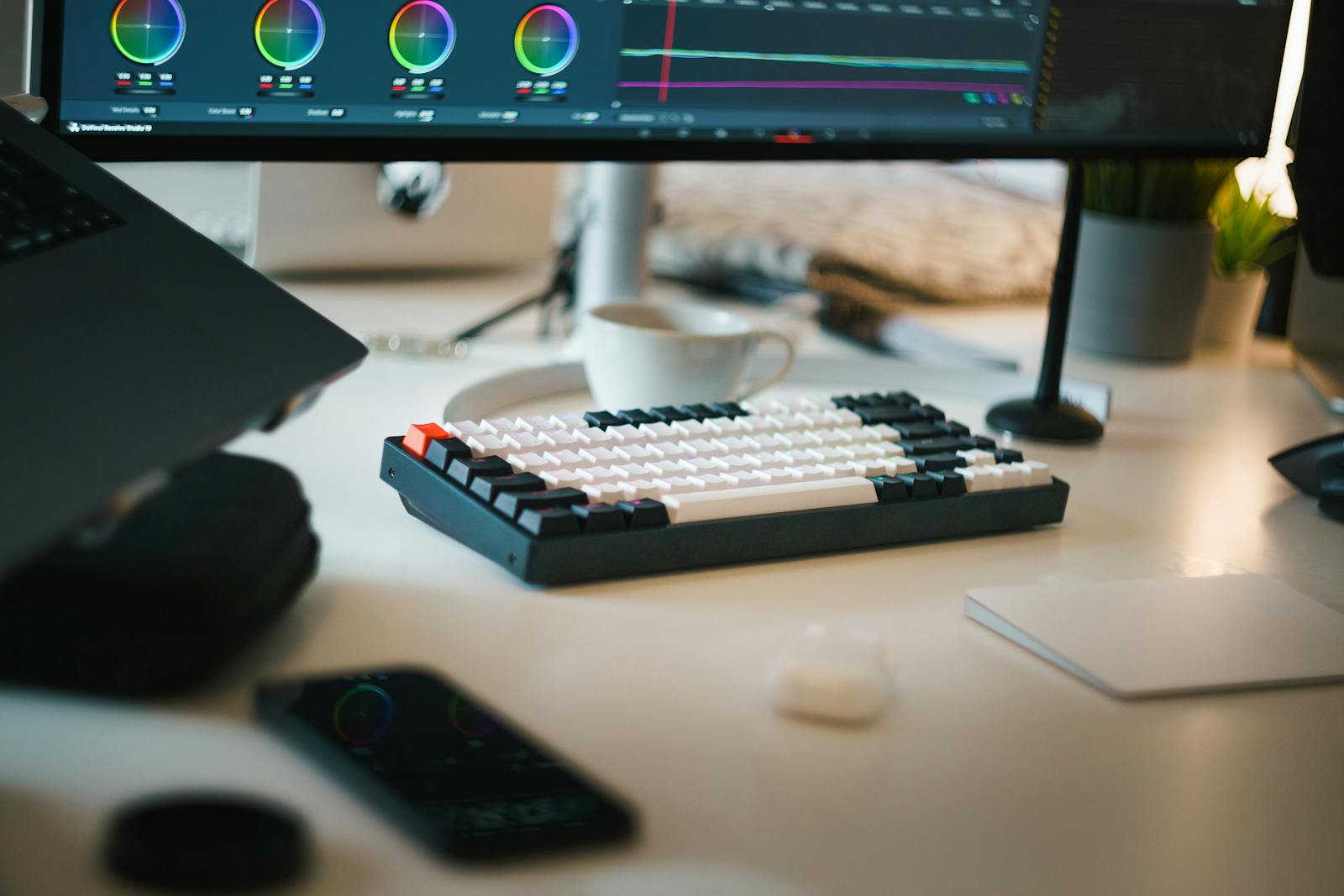
3. You shot in log and never graded it
Log and flat profiles record colour into a deliberately muted, low-contrast file so you can grade it later with room to move. Skip the grade and you publish the raw version, where skin looks grey and lifeless and every colour is dialled down. People often read this as "the colours are off" when really the colour is just sitting there waiting to be brought up. Apply the camera's matching colour transform, or add contrast and saturation by hand until skin reads as skin again. If "more flexibility in post" was the reason you shot flat, the grade is the post. A muted, never-graded image is a close cousin of footage that looks washed out or flat, and the eye tends to file the two complaints together.
4. A filter or LUT is doing too much
Cinematic LUTs are fun and they are also where a lot of off colour comes from. A heavy teal-and-orange look, a moody "film" preset, a trendy grade dragged to full strength: any of these can crush real skin into one flat, unnatural tone, so a person ends up looking either radioactive or embalmed. The honest fix is restraint. Pull the LUT opacity down to something like a quarter or a third, or build a lighter grade of your own. A grade should season the image and nudge a mood, not repaint every face the same colour. If you cannot tell whether your filter helps or hurts, toggle it off, look at the bare footage, and ask whether you actually improved anything.
5. Your screen is lying to you
Sometimes the colour is genuinely fine and the problem is the glass you are judging it on. Most screens are not calibrated, and they all render colour their own way. Phones boost saturation to look punchy in a shop. A cheap laptop panel runs cool and blue. An OLED is more vivid than the LCD next to it. So a grade that looks perfect on your monitor can look green on a phone and orange on a TV, and none of those is the truth. The cure is calibration if you have the kit, and at minimum a habit: before you publish, watch the export on two or three different devices and trust the consensus, not your one tired editing screen.
Here is a real CutScore coaching report for an everyday video: white balance, colour cast, skin tone and saturation, all scored, with the timestamp and the exact fix for each.
If you only do three things.
Most of the jump from "the colours look off" to "this looks finished" comes from these three moves, in this order. Do them on a normal screen, not your phone at full brightness.
Off colour is one symptom of a bigger habit.
A colour cast rarely travels alone. The same skipped-grade, never-checked workflow that leaves skin orange also tends to leave the audio quiet, the contrast flat and the export soft. None of these are skill problems. They are the result of judging your own work on the same bright screen, in the same room, having watched the footage forty times. By export, you are remembering the video, not seeing it, and a green tint quietly slips past you because your brain decided that was just what you look like now.
In my experience, the cheapest reliable fix is distance, then a reference. Walk away for a day. Come back, find something in the frame you know should be neutral, and ask one question: does white read white, and does skin look like skin? That is colour in a sentence. If you want to go further, off colour is closely related to footage that looks cheap and to a frame that is too dark or overexposed, and the eye tends to lump all three under the same verdict: amateur. Fix the white balance and you often clear two of them at once.
There is a contrarian point worth making here. People reach for expensive lights and new cameras to fix off colour, when the real culprit is a wrong white balance and a missing one-minute correction. A colour cast is one of the cheapest faults in all of video to fix, because it lives almost entirely in software. The expensive part is noticing it, which is exactly the part your tired editing brain is worst at, and the part a measured second opinion is built for.
Frequently asked.
Stop publishing footage with off colours.
CutScore measures your white balance and colour cast, tells you whether the skin tone is off and why, and hands you the fix with the evidence to back it up. Join the waitlist for early access.
You’re on the list.
We’ve noted your email. You’re in line for priority access and a free report when early access opens.