Why do I sound boring on camera?
It is almost never your actual voice. It is flat delivery, a slow start, dead air your edit kept, and dull, distant audio. Here is how to diagnose each cause and fix it before you publish.
By Thomas, founder of CutScore · Published · Updated
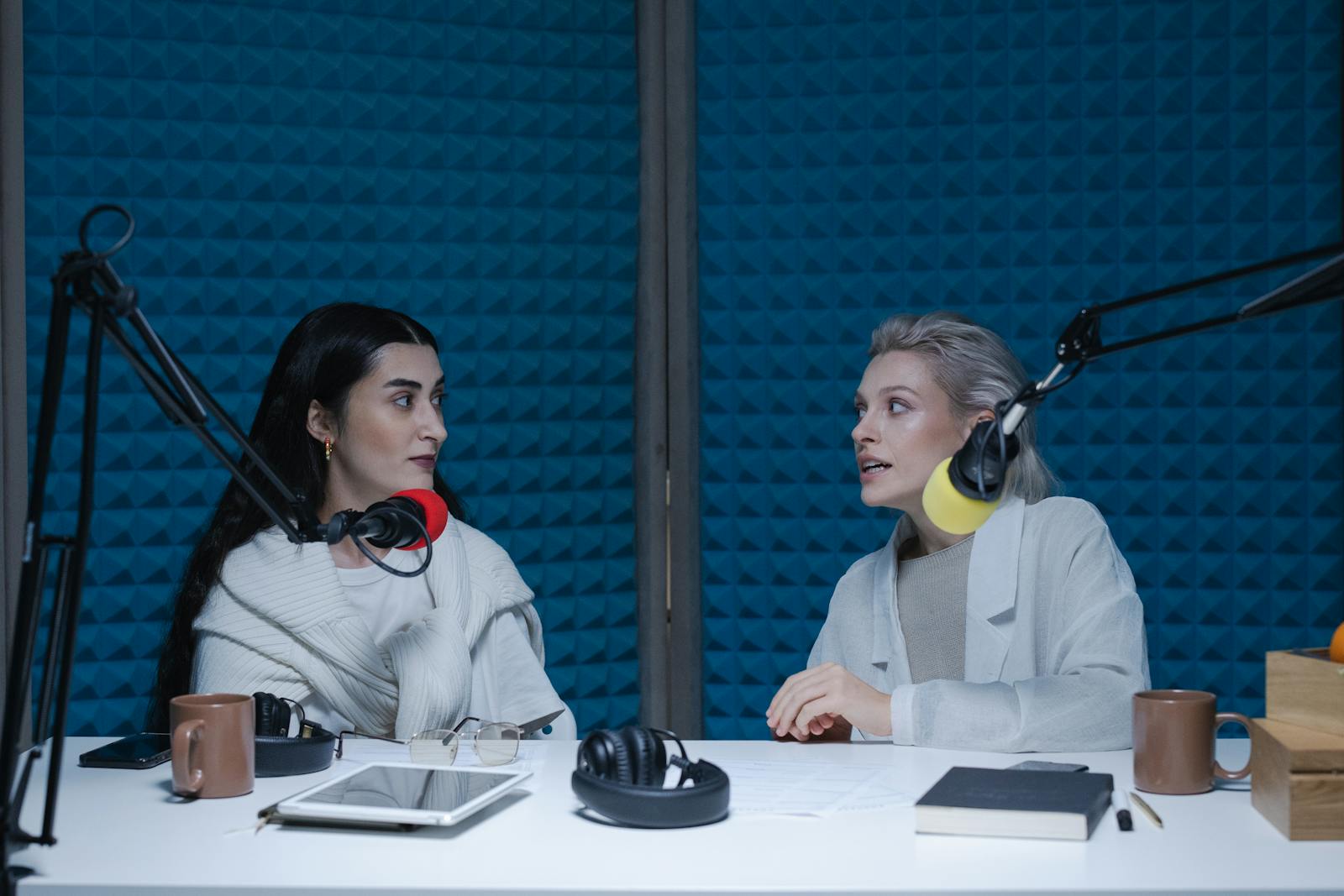
First, the bad news that is actually good news: the person who thinks you sound boring is you. You hear your own voice through bone, you remember how alive the room felt while you were filming, and then you watch the flat recording and the gap is brutal. That gap is not proof you are dull. It is the normal, universal shock of hearing yourself from the outside for the first hundred times.
I have shipped videos where I genuinely thought I had good energy, watched them back, and heard a man reading a terms-and-conditions page to a houseplant. The energy was real in my head. It just did not survive contact with a lens, a script, and a microphone two feet too far away. None of those three problems is "my personality." All three are fixable.
So before you decide you are simply not a camera person, separate two things: how you feel watching yourself, and what is actually wrong with the take. The feeling is mostly self-consciousness. The actual problems are specific, named, and measurable. Here are the five that make people sound boring, in the order they do the most damage.
Why you sound boring on camera, ranked.
Each cause has a tell you can spot and a target you can hit. Most of them live in the edit, not in your voice, which is why "just be more confident" never works.
| Cause | The tell | What fixes it |
|---|---|---|
| Flat delivery | Monotone pitch, no emphasis, low energy on every line. | Talk to one person, vary pitch and pace on purpose, mean what you say. |
| Slow hook | The reason to stay arrives at 0:09 instead of 0:01. | Move your best line to the front. Cut the logo and the throat-clear. |
| Sluggish pacing | Long, unbroken takes; dead air; nothing changes for seconds. | Tighten the cut, drop the pauses, keep shots moving with the genre. |
| Filler words | "Um", "like", "you know", "so" between every real word. | Cut them in the edit, then train them down at the source. |
| Dull audio | Thin, distant, quiet voice with roomy echo behind it. | Mic closer, loudness near −14 LUFS, kill the background noise. |
CutScore measures your pacing, your hook timing, your filler-word rate and your audio in one pass, then tells you which one is actually making you sound boring. No more squinting at your own take wondering what is off.
How to fix each one, in order.
1. Flat delivery: stop performing to a lens
Monotone is the cause people obsess over, so let us deal with it first and then move on. The single biggest change is to talk to one person, not a camera. Picture a specific friend who needs this information and tell it to them. Stand up if your setup allows it, because your breath and your pitch open up the second you are not slumped in a chair. Move your hands. Put real weight on the words that matter and let the boring connective words fall away. And here is the part nobody likes hearing: if you do not care about what you are saying, the camera knows. Energy you fake on camera reads as faked on camera. The fastest fix for a boring delivery is often a topic you actually want to talk about.
2. The slow hook: earn the first three seconds
This is where most "boring" videos are actually lost, and it has nothing to do with your voice. Watch your first three seconds as if you were thumbing past a stranger's video. If you open with a logo sting, a "hey guys, welcome back", and a long wind-up, you have spent your whole budget of patience before the content starts. Move your strongest line to 0:01. If the genuinely interesting moment is at 0:40, a piece of it belongs at the very front. A flat speaker with a sharp opening keeps people. A great speaker with a slow opening talks to an empty room.

3. Sluggish pacing: cut the dead air
You have watched your edit twenty times, so it feels fast to you. It is not. The clearest number for pace is average shot length: how long a shot holds before something changes. When a section drags, it is usually one take held three seconds too long, repeated across the whole video. The fix is unglamorous: tighten every cut, delete the pauses where you are thinking, and let one moment end the instant before the next begins. A well-placed jump cut removes the dead space without a single reshoot. Pace is the difference between "this drags" and "I did not notice nine minutes pass."
4. Filler words: the quiet credibility tax
A few "ums" are human and nobody minds. A steady stream of them is different. Count your filler words per minute, and if you are pushing double digits, every real sentence is being diluted by half. There are two fixes and you want both. In the edit, cut the worst ones out; it tightens the pace as a free bonus. At the source, learn to pause silently instead of filling the gap with noise. A confident silence beats "um" every time, and silence is invisible once you stop fearing it. This pairs naturally with the work in stopping the ums on camera.
5. Dull audio: the cause you cannot hear in the room
A thin, distant, echoey voice sounds boring no matter how good your delivery is. Sound is half of perceived energy, and it is the half people forget. Get the microphone closer; the difference between a mic at two feet and a mic at eight inches is enormous. Then set your loudness near −14 LUFS for YouTube so your voice does not feel timid next to the next video, and keep your true peak at or below −1 dBTP so nothing crackles after upload. Finally, listen on cheap earbuds, not your good speakers. If the voice sounds full and present there, you have removed the last reason you sound flat.
Here is a real CutScore coaching report for an everyday talking-head video: hook timing, pacing, filler-word rate and audio, all scored, with timestamps and the exact fixes.
If you only fix three things.
Most of the jump from "this is boring" to "I could not stop watching" comes from these three. None of them requires you to suddenly become a different person.
Is it your voice or your editing?
This is the question that actually matters, because the two have completely different fixes. Here is how to tell which one is sinking you.
It is mostly the edit
Your raw takes feel fine when you watch them alone, but the finished video drags. That is dead air, a slow hook and kept filler talking, not your voice. Tighten the cut first. Most "boring" videos are an editing problem wearing a delivery costume. Start with whether your video is too slow.
It is partly the delivery
Even your tightest cut still feels flat, every line lands on the same note, and you can hear the monotone. That is delivery. Talk to one person, vary your pitch on purpose, and record a topic you care about. Work on your on-camera delivery directly rather than hoping the edit hides it.
It is the sound, hiding as both
A thin, distant, quiet voice makes good delivery sound dull and good editing sound cheap. People blame their personality when the real culprit is a mic placement and a loudness number. Hand the file (or a link) to CutScore and it will tell you which of the three is actually the problem.
Frequently asked.
Find out why you sound flat, before you post.
CutScore measures your hook, your pacing, your filler words and your audio, then tells you exactly which one is making you sound boring, with the evidence to back it up. Join the waitlist for early access.
You’re on the list.
We’ve noted your email. You’re in line for priority access and a free report when early access opens.