What are the common mistakes in beginner videos?
The same handful of mistakes show up in almost every first video: quiet audio, music over voice, a slow opening, no captions, and a botched export. Here is the full list, and the fix for each.
By Thomas, founder of CutScore · Published · Updated
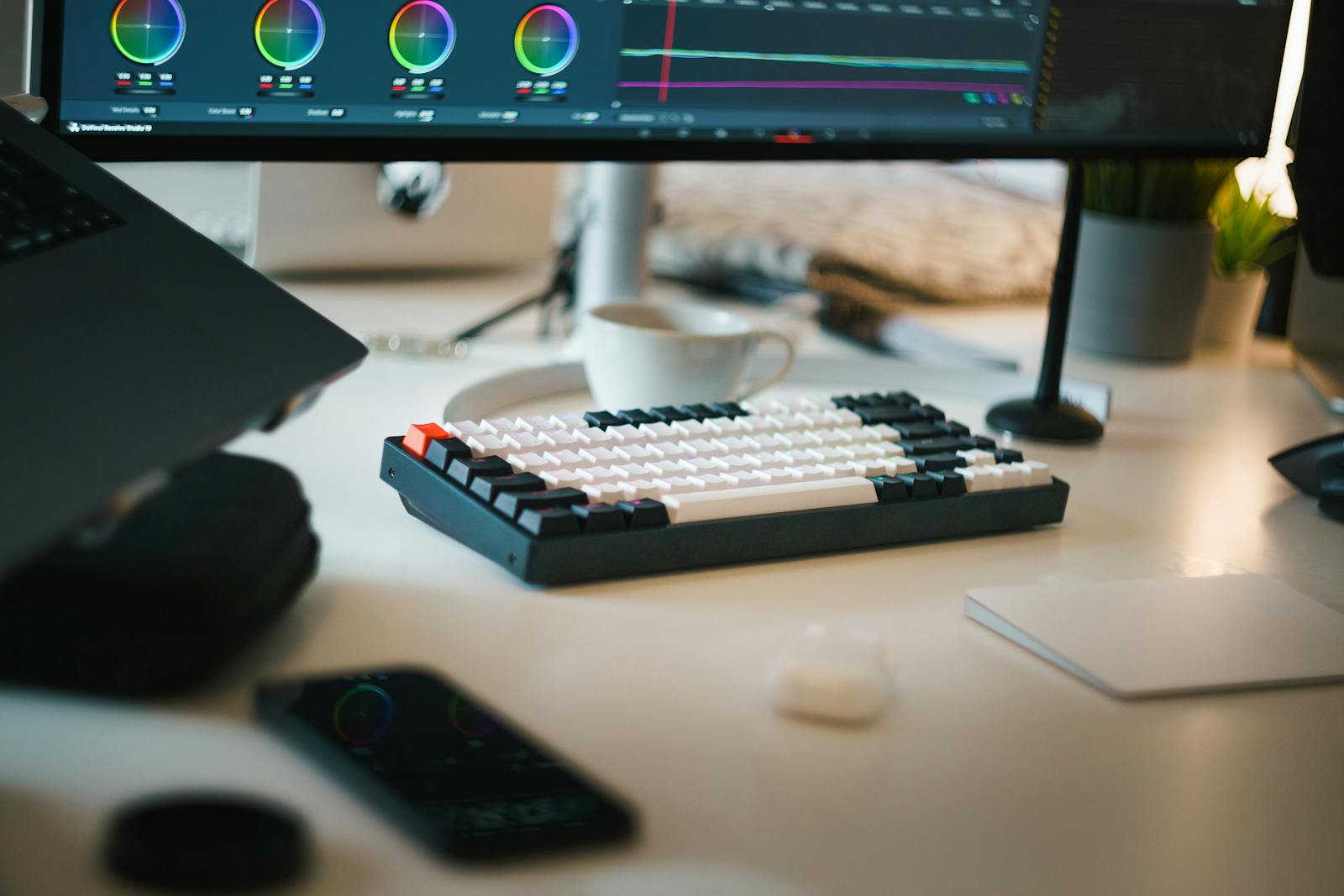
I have shipped genuinely bad videos. Audio so quiet people thought their phone was broken, an intro so slow I would have scrolled past it myself. None of it was a gear problem. It was that I could not see my own video anymore. You watch every frame fifty times in the edit, and somewhere in there your brain quietly files the quiet sound under "normal" and the green skin tone under "fine."
Beginner mistakes are not random, and that is the good news. They cluster around the same five or six things on almost every channel, because they are the parts that are easy to ignore and hard to notice. Your laptop speakers flatter the audio. Your phone at full brightness in a dark room makes an underexposed shot look gorgeous. So you publish, and someone watches it on a cheap Android with one tinny speaker, on a sunny bus.
Here is the part that helps. Because the mistakes repeat, the fixes also repeat, and most of them take minutes. Below is the actual list, ranked roughly by how much each one hurts you, with the target for each so you are checking against a number instead of a feeling.
The common beginner video mistakes, ranked.
Every one of these shows up again and again in first videos. Each has a target you can actually hit, and each is something a viewer notices the moment you skip it.
| Mistake | The target to hit | What it costs you |
|---|---|---|
| Audio too quiet | ≈ −14 LUFS | A quiet video feels weak the instant it follows a louder one in the feed. |
| Music over voice | voice on top | The single clearest beginner tell. People stop trying to hear you and leave. |
| Slow first 3 seconds | one reason to stay | A logo sting and a "hey guys" loses the people who never came back. |
| Shaky / dark footage | steady, neutral | Wobble and underexposure read as "unfinished" before you say a word. |
| No or tiny captions | readable, in-frame | Most feeds autoplay on mute, so text-free video plays to nobody. |
| Too many filler words | few per minute | A dozen "ums" a minute quietly says you are not sure of yourself. |
| Wrong export settings | match the platform | A clean edit can still arrive soft and blocky after the platform re-compresses it. |
Checking seven things on every video gets old fast. CutScore measures all of them in one pass and hands back the fixes, so you can spend your time making the next one better.
Five fixes, in the order that matters.
1. Fix the audio first, because nobody forgives bad sound
People forgive a soft shot. They will not sit through audio they have to strain at. Two numbers carry most of the weight. Loudness, which you want near −14 LUFS for YouTube so your video does not feel timid after the louder one before it, and true peak, which you keep at or below −1 dBTP so nothing crackles once the platform squashes your file. Then the most common beginner mistake of all: music sitting on top of the voice. Listen on the worst speakers you own. If the music is winning, pull it down four or five decibels and stop being precious about your soundtrack. This is the family of checks beginners skip the most, and the one viewers punish hardest.
2. Earn the first three seconds
A slow opening is the beginner mistake that costs you the most viewers, and you never see them go. Watch your first three seconds as if you were thumbing past a stranger's video. Is there one clear reason to stay, or do you open with a logo sting, a slow zoom, and a throat-clear? If your strongest moment is at 0:40, a piece of it belongs at 0:01. Re-cut so the payoff, or a promise of it, lands before second three. This one move does more for retention than any thumbnail trick, and it costs you nothing but a few minutes of honesty.
3. Steady the shot and fix the exposure
Shaky, dark footage reads as a mistake even when the content is good. Turn your screen brightness down to something normal, not the heroic level you edit at, and look for two things: shadows gone solid black with no detail, and a blown-out window or white shirt. Then check your whites are actually white and not blue or orange. For the shake, lock the camera down or use stabilisation, but watch for the wobble that creeps in when you over-correct. Good light beats an expensive lens every time, which is why this is rarely a gear problem.
4. Add captions, and make them big enough to read
No captions, or captions too small to read, is a beginner mistake that hides in plain sight because you watch your own video with the sound on. Most feeds autoplay on mute. Read your captions on a phone, held at arm's length: if you squint, the font is too small or the contrast is too low. Bigger text, a solid backing, and keep it inside the safe zone so the platform's buttons do not cover the last line. While you are at it, count the filler words. A few "ums" are human; a dozen a minute is its own beginner tell.
5. Export for the platform, not your desktop
This is the boring mistake that undoes a clean edit, and almost every beginner makes it once. Export at the platform's preferred resolution and a healthy bitrate, upload, then watch the published version on the actual app, not the file on your drive. Platforms re-compress everything, so a clip that looked crisp on your laptop can arrive soft and blocky. If it looks worse after upload, your export settings are the suspect, not your camera. Match the spec, then check the result.
Here is a real CutScore report on an everyday video: every mistake above, scored, with timestamps and the exact fix for each one.
If you only fix three mistakes.
Most of the jump from "this is someone's first video" to "this person knows what they are doing" comes from these three. Fix them before anything else.
How do you spot your own mistakes?
By eye and ear
Free, and better than nothing. The catch is the one we opened with: your senses adapt and your gear flatters, so you miss the exact mistakes you made. Works best on someone else's video, or yours after a day away from it. Use the ranked list above so you test against targets, not vibes.
With scopes and meters
Accurate and honest. A loudness meter for the audio, a waveform, a scope for exposure. The cost is time and knowledge: you have to learn the targets, open three tools, and read them right on every single video. Great if you enjoy this part. Most beginners, reasonably, do not.
With a coach in one pass
Hand the file or a link to CutScore. It measures all seven mistakes and then some, against the right standard for your genre, and gives you a 0 to 100 score with timestamped evidence and the fix for each. No scopes to read. See a sample report.
Frequently asked.
Stop making the same mistakes twice.
CutScore catches the usual beginner tells before you publish and tells you exactly what to fix, with the evidence to back it up. Join the waitlist for early access.
You’re on the list.
We’ve noted your email. You’re in line for priority access and a free report when early access opens.