What are the best video analysis tools in 2026?
The honest answer: it depends on which job you mean. There are five very different categories, and most people only know two of them. Here is what each one measures, where it falls short, and which to reach for.
By Thomas, founder of CutScore · Published · Updated
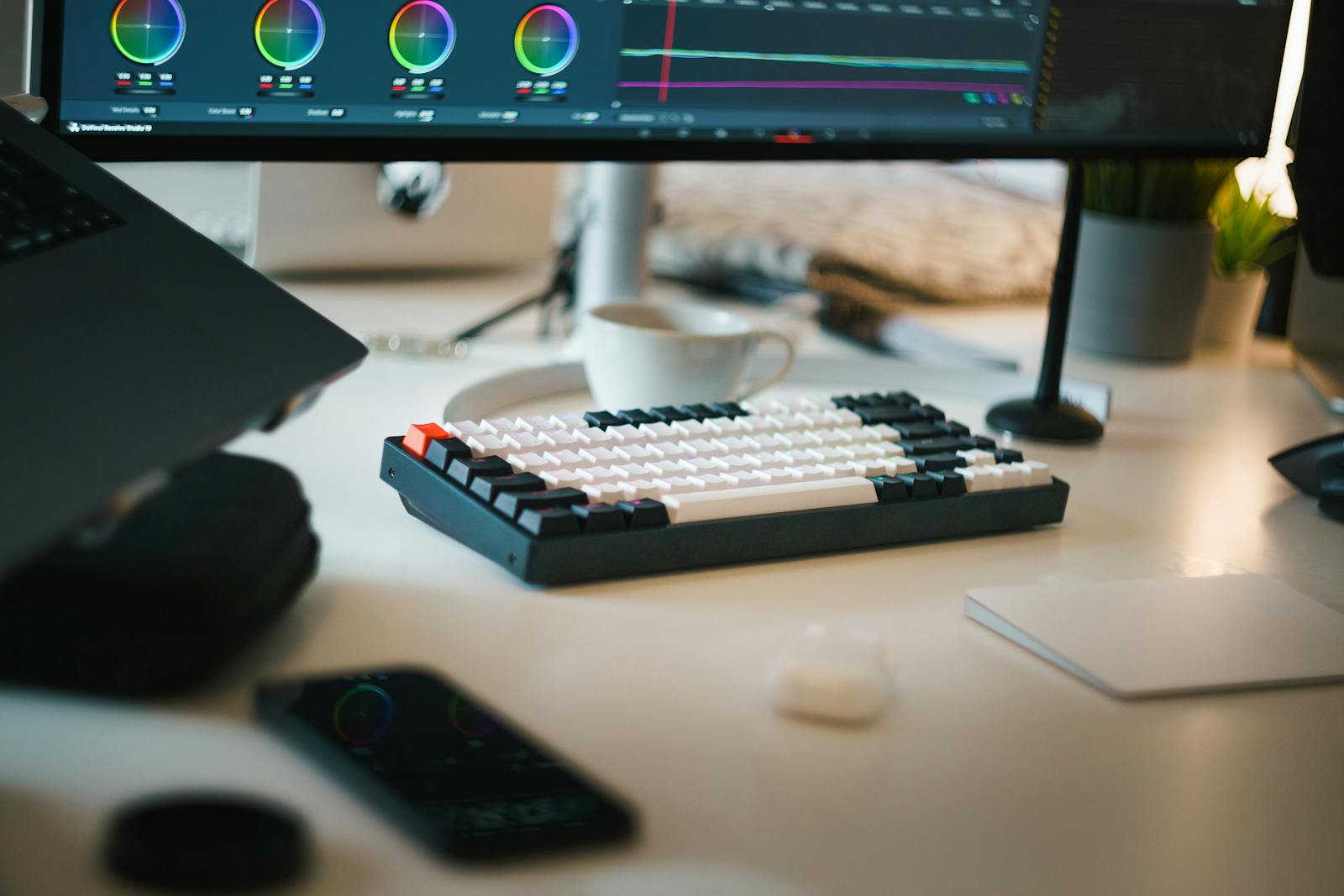
"Best video analysis tools" is one search, but it hides at least five different intentions. Someone typing it might want a loudness meter, a colour scope, a retention graph, a keyword planner, or a single thing that tells them whether their video is any good. Those are not variations of one product. They are five separate categories that happen to share a search box.
I learned this the slow way. Early on I had a folder of tools: a loudness plugin, scopes in the editor, a spreadsheet of export specs, YouTube Studio open in another tab. Each one was good at its one thing and blind to everything else. The loudness meter never told me the video opened with a forty-second logo sting. The retention graph told me people left, but not why.
So before you pick a tool, decide which question you are actually asking. Found, or good? Those are different problems. The rest of this guide walks the five categories, what each measures, and where each one quietly leaves you exposed.
The five kinds of video analysis tool, and what each one measures.
Match the category to your actual question. Most frustration with these tools comes from expecting one category to do another one's job.
| Category | What it measures | Where it leaves you exposed |
|---|---|---|
| Loudness + audio meters | LUFS, true peak | Says nothing about picture, pacing, captions or the hook. |
| Scopes (waveform, vectorscope) | exposure, colour | You have to know how to read them, and they ignore audio entirely. |
| Retention analytics | where viewers leave | Only works after you publish, and shows the symptom, not the cause. |
| SEO tools (vidIQ, TubeBuddy) | tags, keywords, thumbs | Helps people click. Says nothing about whether the video is worth watching. |
| AI quality coach | the whole craft, 0–100 | Will not pick your topic or write your title; it judges execution. |
CutScore measures the craft across every axis in a single pass and hands back the fixes, so you stop juggling a folder of single-purpose tools.
Which video analysis tool to reach for, by job.
1. Audio meters: the most useful tool nobody opens
If you only ever use one analysis tool, make it a loudness meter. Viewers forgive a soft shot and punish bad sound, so the two numbers that matter most are loudness, which you want near −14 LUFS for YouTube, and true peak, which you keep at or below −1 dBTP so nothing crackles after the platform re-encodes. Most editors ship a free, accurate meter. The trouble is remembering to read it, and knowing what the number is supposed to be. A meter that you ignore is not a tool, it is decoration.
2. Scopes: honest about picture, useless about everything else
Waveform, vectorscope, histogram. These are the gold standard for exposure and colour, and they do not lie the way your bright laptop screen does. A waveform tells you instantly whether your shadows have crushed to black or your highlights have blown out. A vectorscope shows whether skin tones drifted green or magenta. The cost is the same as it has always been: you need to know how to read them, and they tell you nothing about your audio, your pacing, or your captions. Great if you enjoy this part. Most creators glance once and close the panel.

3. Retention analytics: the truth, but always too late
YouTube Studio and the equivalents on TikTok and Instagram give you a retention curve, and it is brutally honest. You can see the exact second people swiped away. The two problems are timing and cause. It only exists after you publish, so it cannot save the video you are about to post. And it shows you the dip without telling you whether the cause was a slow shot length, a weak hook, or audio people could not hear. The graph is a symptom. You still have to diagnose it yourself.
4. SEO tools: a different category entirely
vidIQ and TubeBuddy are excellent, and they are not what most people mean by "video analysis." They analyse the metadata around your video: tags, keywords, titles, thumbnails, competitor stats. That is the discovery problem, getting people to click. It is real and it matters. But it is structurally blind to the file itself. Your audio could be clipping, your hook could be a forty-second intro, and an SEO tool would happily report a strong keyword score. I wrote a whole piece on this split, because the confusion is so common: a vidIQ alternative for video quality, not SEO.
5. AI quality coach: one pass over the whole craft
This is the newest category and the one that ties the others together. An AI video quality coach takes the file (or a link) and measures every craft axis at once: loudness, exposure, focus, stabilisation, shot length, the hook, captions, filler words, export compliance and more. Then it hands back one score from 0 to 100, with timestamps and concrete fixes. The honest limit: it judges execution, not strategy. It will not pick your topic or write your title. What it will do is tell you, before you publish, exactly where the craft is letting you down. That is the job an AI tool that rates your video is built for.
Here is a real CutScore coaching report for an everyday video: every craft axis, scored, with timestamps and the exact fixes a meter would never hand you.
Pick by what you are missing.
Skip the brand wars. Start with the gap in your current process, then add the one tool that closes it.
Frequently asked.
One tool for the craft, not five.
CutScore measures every craft axis in a single pass and tells you exactly what to fix, with the evidence to back it up. Join the waitlist for early access.
You’re on the list.
We’ve noted your email. You’re in line for priority access and a free report when early access opens.